Database Management System (DBMS)
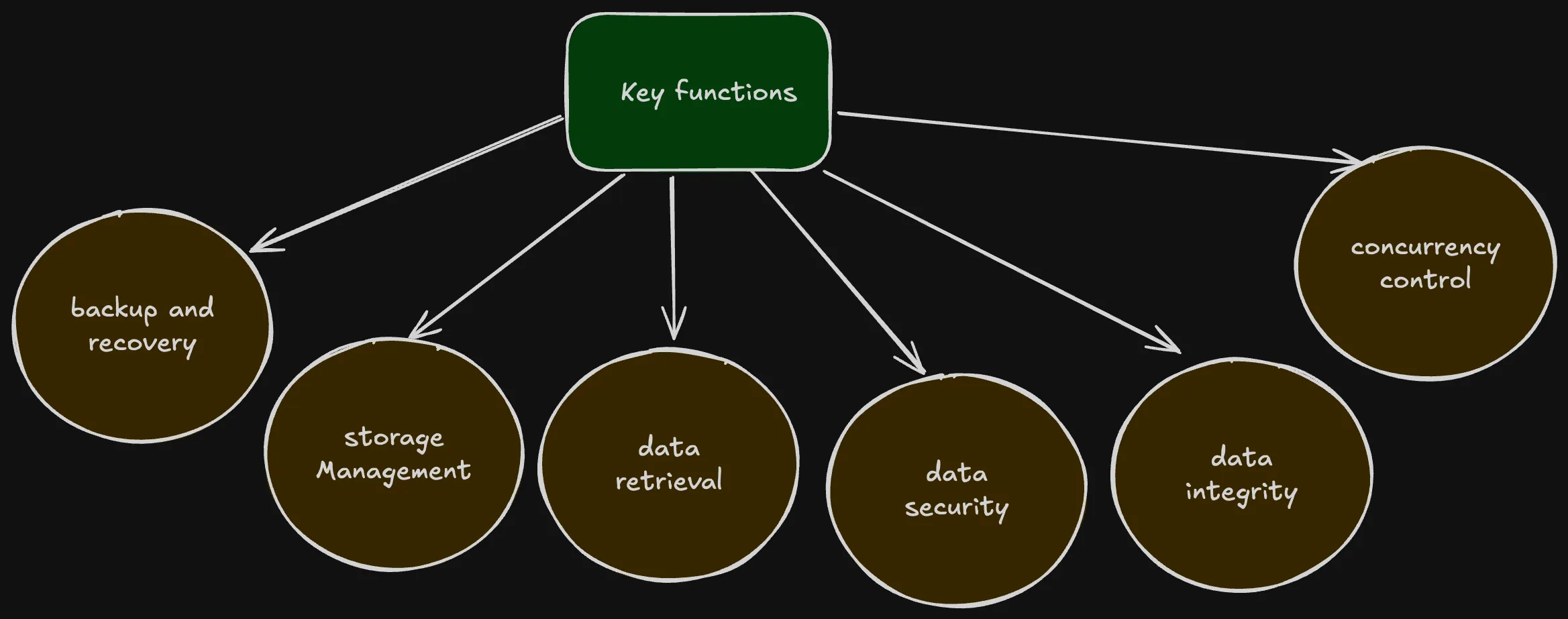
DBMS vs. Database
Section titled “DBMS vs. Database”- Database - the organized collection of data.
- DBMS - the software layer that provides APIs, query engines, storage management, and security on top of the raw data.
DBMS Models
Section titled “DBMS Models”| Model | Structure | Highlights | Examples |
|---|---|---|---|
| Hierarchical | Tree (parent -> children) | Fast traversals for fixed hierarchies | IMS |
| Network | Graph (nodes/edges) | Supports many-to-many relationships | IDMS |
| Relational (RDBMS) | Tables (rows/columns) | SQL, strong integrity constraints | PostgreSQL, MySQL |
| Object-Oriented | Objects with methods | Blends OOP with persistence | ObjectDB |
| NoSQL (document, key-value, column, graph) | Flexible schemas | Scale-out, event-driven apps | MongoDB, Cassandra |
ER Modeling
Section titled “ER Modeling”The Entity-Relationship (ER) model captures data requirements at a conceptual level.
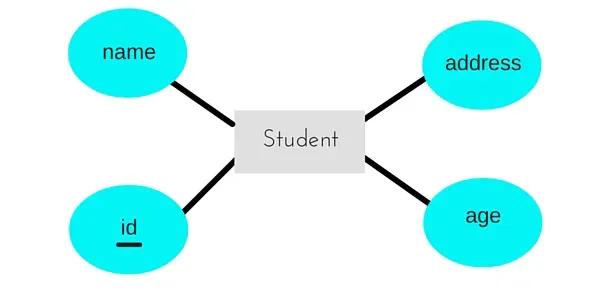
Core Components
Section titled “Core Components”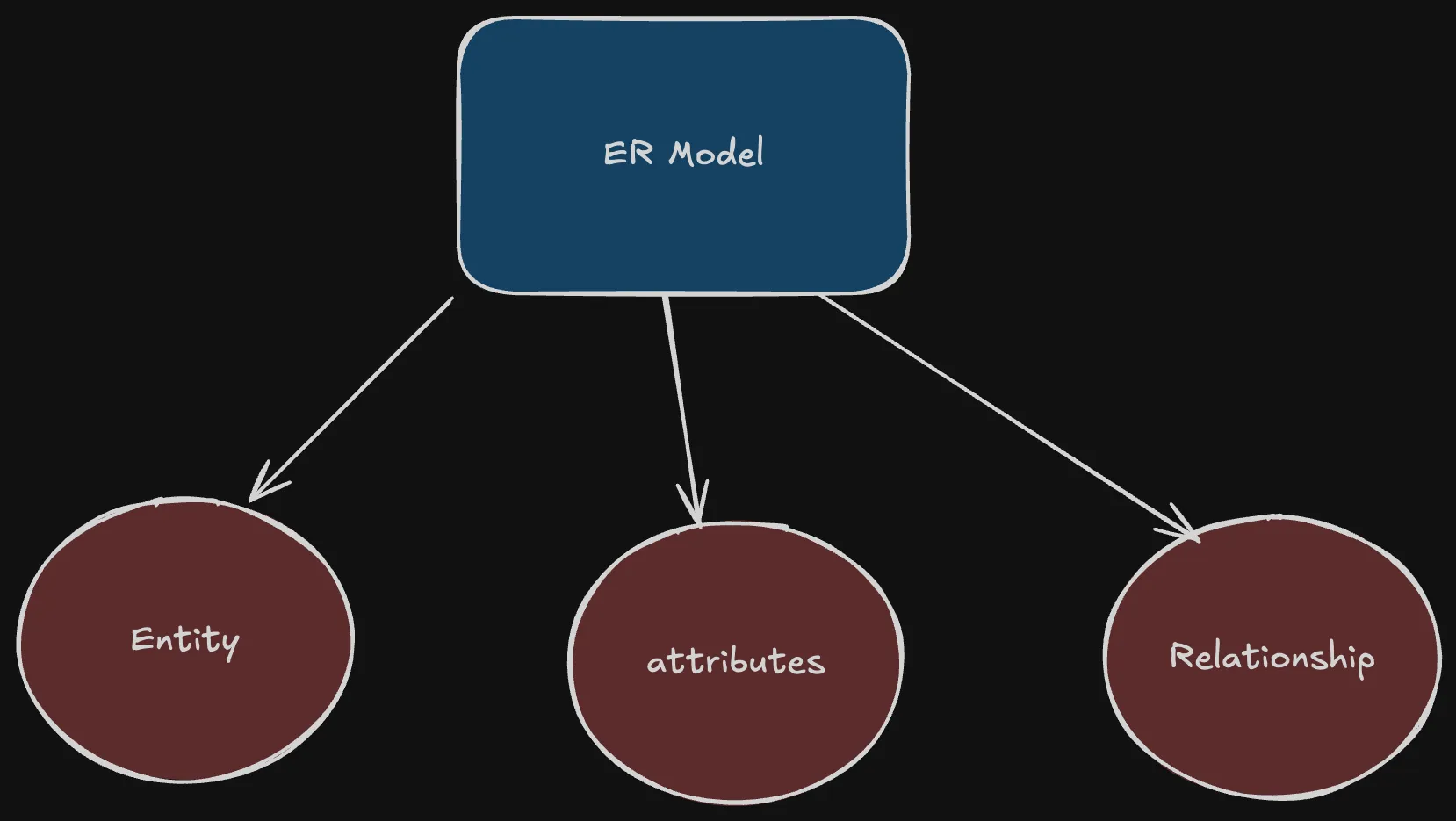
Attribute Types
Section titled “Attribute Types”- Simple: indivisible values
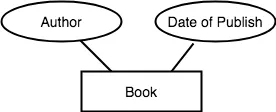
- Primary key: uniquely identifies each entity instance
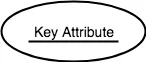
- Derived: computed from other attributes
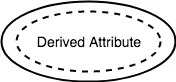
- Multivalued: multiple values per entity (requires junction table in RDBMS)
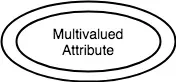
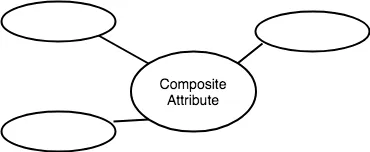
- Composite: attributes with subparts (e.g., address)
Relationship Cardinalities
Section titled “Relationship Cardinalities”- One-to-One: rare; use when splitting sensitive or optional data.
- One-to-Many: most common; foreign key lives on the “many” side.
- Many-to-Many: resolve via a junction table with two foreign keys.
Data Integrity in RDBMS
Section titled “Data Integrity in RDBMS”| Integrity Type | Enforced By | Purpose |
|---|---|---|
| Entity | Primary key (PRIMARY KEY) | Ensures every row is identifiable and non-null |
| Referential | Foreign key (FOREIGN KEY) | Keeps relationships valid between tables |
| Domain | Data types, CHECK, NOT NULL, defaults | Restricts column values to valid ranges/formats |
| User-defined | Triggers, stored procedures, application logic | Encodes business-specific rules |
Transaction Lifecycle
Section titled “Transaction Lifecycle”A transaction is a logical unit of work that respects ACID properties.
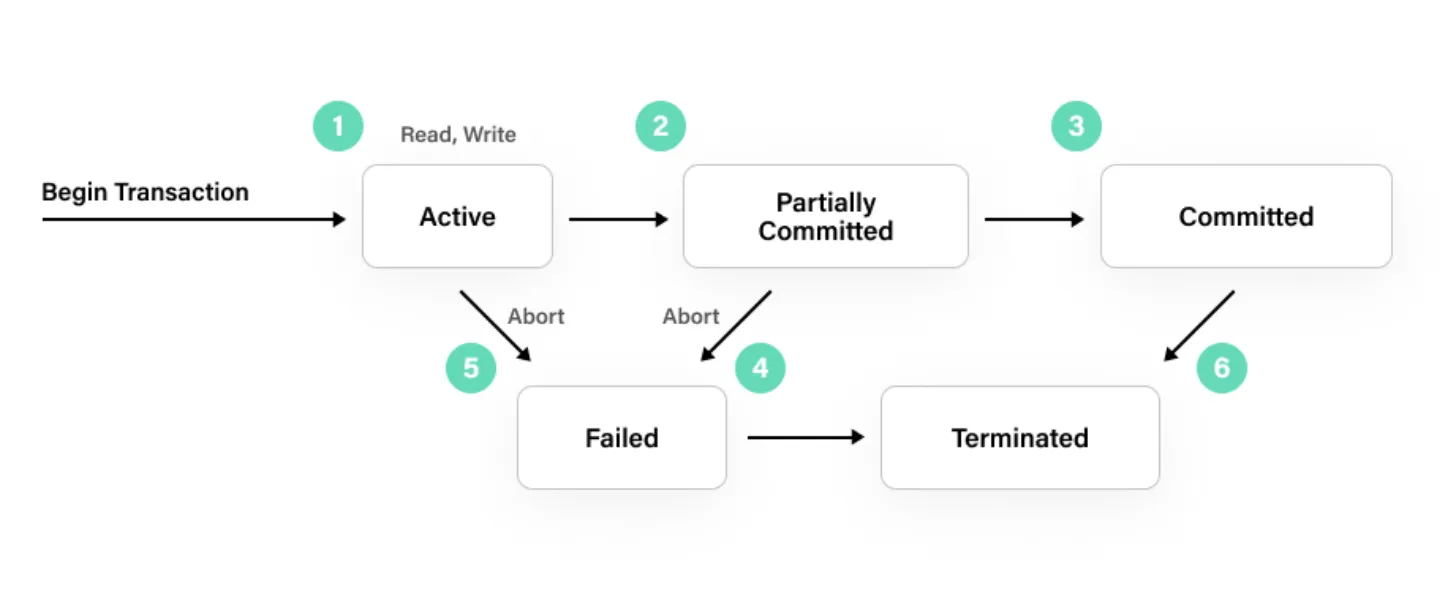
| State | Description |
|---|---|
| Active | Executing operations (reads/writes) |
| Partially committed | In-memory changes done; waiting to flush/commit |
| Committed | Changes durably persisted; cannot roll back |
| Failed | Error detected; rollback initiated |
| Terminated | Transaction ends after commit or abort |